






















Decking Stain: Product Selection & Application Techniques
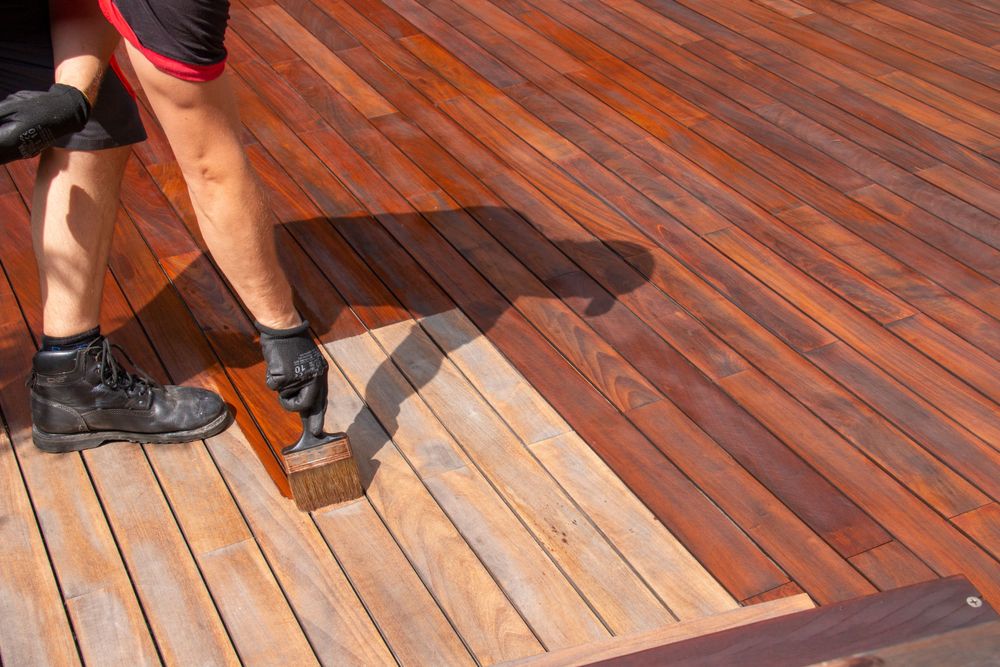
Deck stain failures are a common frustration for DIYers. That beautiful color and fresh protection often seem to fade, peel, or just give up long before their time. Achieving truly lasting deck protection isn't just about picking a nice color; it involves a deeper understanding of the deck stain application process and the underlying deck protection science. Let’s break down how to properly select and apply stains for maximum durability.
The first step to long-lasting results is understanding what your stain is actually doing. Deck stains aren't just cosmetic; they form a crucial barrier against the elements.
Penetrating vs. Film-Forming Stains
Most quality deck stains fall into one of two categories, each offering distinct advantages:
- Penetrating Stains: These stains, often oil-based or modified water-based formulas, soak into the wood fibers rather than sitting on top. They condition the wood from within, providing excellent moisture barrier properties and UV protection without forming a surface film that can peel or crack. They tend to wear down over time, requiring reapplication typically every 2-4 years, but don't usually need extensive stripping.
- Film-Forming Stains: These stains, usually acrylic or alkyd/acrylic blends, create a protective layer on the surface of the wood. Solid-color stains are always film-forming. They offer robust UV resistance and hide wood imperfections effectively. The downside is that this film can be prone to peeling or flaking, especially with poor surface preparation or excessive moisture, often requiring more intensive preparation (stripping) for future applications.
The Role of Pigmentation and Binders
Pigments are the deck stain's sunscreen. The more opaque a stain (e.g., semi-solid or solid), the more pigment it contains, offering superior UV protection. Clear stains, while showing off natural wood grain, offer minimal UV protection, leading to faster graying. Binders (like alkyds in oil-based or acrylics in water-based) are the glue that holds the pigments to the wood and provides flexibility against expansion and contraction. High-quality binders are crucial for resisting cracking and peeling.
The Critical Pre-Application Phase: Preparing for Success
Even the most expensive, advanced stain will fail prematurely without meticulous surface preparation. This isn't just about cleaning; it's about creating an optimal environment for adhesion and penetration.
Deep Cleaning and Surface Neutralization
Forget just power washing with plain water. You need specific chemical treatments to remove embedded dirt, mildew spores, and mill glaze.
- Cleaner Application: Use a professional-grade deck cleaner, often containing sodium percarbonate. Mix according to manufacturer directions (e.g., 1 cup per gallon of water). Apply thoroughly to wet deck boards using a garden sprayer or roller, ensuring consistent coverage. Allow it to dwell for 10-15 minutes, scrubbing stubborn areas with a stiff brush. Do not let it dry on the wood.
- Pressure Washing: Rinse thoroughly with a pressure washer set to 1200-1500 PSI for softwoods like cedar or pine, and up to 2000 PSI for hardwoods. Maintain a fan tip (25-40 degree) about 12-18 inches from the surface to avoid furring the wood.
- Brightener/Neutralizer: After cleaning, many decks benefit from an oxalic acid brightener. This step restores the wood's natural pH balance, neutralizes any lingering cleaner residue, and brightens the wood, improving stain absorption and clarity. Apply, let dwell for 10 minutes, then rinse. This ensures no cleaner residue interferes with your stain.
Moisture Content and Drying Time
Wood must be bone-dry before stain application. For optimal adhesion, the moisture content should be below 12%. You can measure this with an inexpensive moisture meter available at R.P. Lumber. In average Midwestern summer conditions, this usually means allowing 48-72 hours of dry weather after cleaning. Even a slight drizzle can reset this clock.
Optimizing Your Deck Stain Application for Maximum Protection
Proper technique is where the rubber meets the road. It ensures uniform coverage, proper penetration, and a durable finish.
Choosing Your Application Method
- Brush Application: Ideal for achieving a controlled, even finish, especially on railings, spindles, and deck board ends. Use a high-quality natural bristle brush for oil-based stains and synthetic bristles for water-based. Work in manageable sections.
- Roller Application: Best for large, flat deck surfaces. Use a 3/8-inch nap roller for most stains. Always back-brush immediately after rolling to push the stain into the grain and remove excess, preventing puddling or thick film build-up that can lead to peeling.
- Sprayer Application: Fastest for large areas, but requires back-brushing for almost all penetrating and semi-transparent stains. Use an airless sprayer with an appropriate tip size (e.g., 0.013-0.017 inch) for even atomization. Avoid spraying on windy days to prevent overspray.
Achieving Uniformity and Avoiding Lap Marks
Work in small, manageable sections (e.g., 2-3 boards wide). Apply stain in the direction of the grain. For penetrating stains, apply a liberal coat, but ensure no puddling. For film-forming stains, apply thinner, even coats. The key is to maintain a wet edge to prevent unsightly lap marks. If applying two coats, allow the first to fully cure according to manufacturer instructions before the second; often, a single, properly applied coat of penetrating stain is sufficient.
Environmental Factors
Temperature and humidity profoundly impact drying and curing. Aim to apply stain when ambient temperatures are between 50-90°F (10-32°C) and humidity is moderate (30-70%). Avoid applying in direct, scorching sunlight, which can cause the stain to flash dry, leading to uneven penetration and poor adhesion. Check the forecast; you need 24-48 hours of clear, dry weather after application.
Selecting the Right Stain Type for Your Deck and Climate
Your choice of stain formulation should align with your aesthetic goals and the deck's exposure.
- Oil-Based Stains: Generally offer deeper penetration and better resistance to peeling due to their flexibility. They are excellent for wood preservation and often enhance natural wood tones. Cleanup requires mineral spirits.
- Water-Based Stains: Easier cleanup with soap and water, faster drying times, and lower VOCs. Modern water-based acrylic-alkyd hybrids offer excellent durability and UV protection.
The journey to a beautifully protected deck is paved with careful planning and execution. By understanding the deck protection science and mastering deck stain application techniques, you'll ensure your outdoor living space stands strong for years to come.
Need help selecting the perfect stain or tools for your next project? Stop by any R.P. Lumber location and ask our knowledgeable staff about our wide range of deck stains, cleaners, and application supplies – we can guide you to the right products for a professional finish.