





















Signs You Might Need to Replace the Gasket on Your Toilet
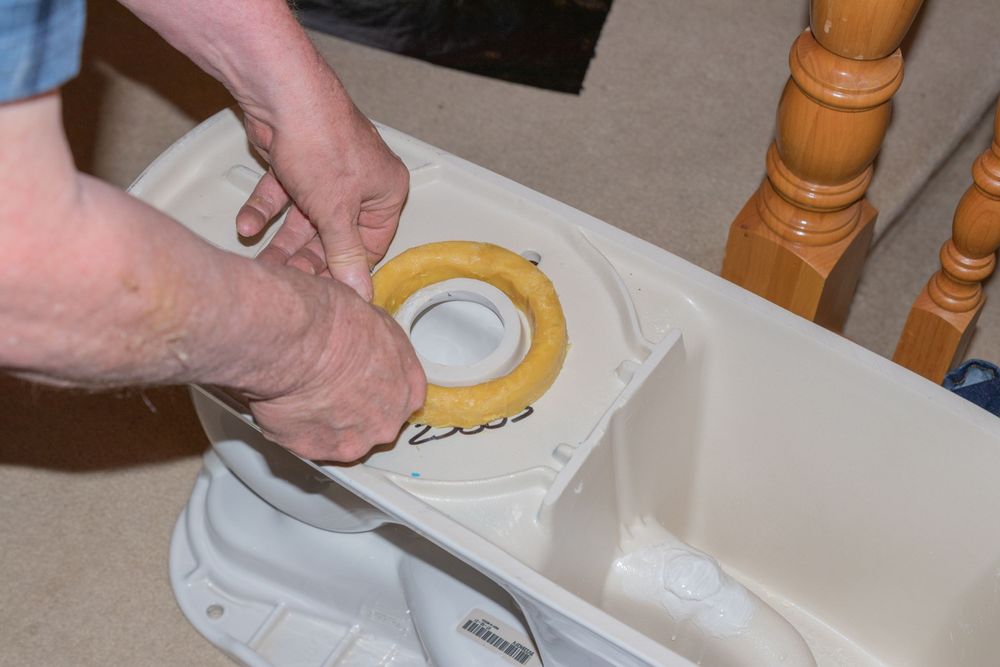
The toilet gasket, also known as the wax ring or seal, is a vital component that ensures a watertight connection between the toilet bowl and the drain pipe. Over time, the gasket can deteriorate, leading to leaks, odors, and potential water damage. In this blog post, we will explore the signs that indicate you might need to replace the gasket on your toilet. By recognizing these signs early on, homeowners can prevent costly repairs and maintain a properly functioning toilet.
Water Leaks: One of the most common signs that your toilet gasket needs replacement is water leakage. If you notice water pooling around the base of the toilet, it is likely that the gasket has worn out or become damaged. The wax ring should create a tight seal to prevent water from escaping, so any signs of leakage suggest a problem with the gasket.
Foul Odors: Another indicator of a faulty toilet gasket is unpleasant odors emanating from the bathroom. A deteriorated or improperly sealed gasket can allow sewer gases to escape, resulting in foul smells. If you notice persistent odors despite regular cleaning, it may be a sign that the gasket needs replacement.
Loose Toilet: A toilet that feels loose or wobbly is often a sign of a compromised gasket. The gasket provides stability and support for the toilet, so if it is worn or damaged, the toilet may shift or rock when pressure is applied. If you notice any movement or instability when using the toilet, it is advisable to inspect the gasket.
Water Damage: A deteriorated gasket can lead to water damage in the surrounding areas. If you notice water stains on the floor, discoloration of the baseboards, or warping of nearby tiles, it could be a result of water seeping through a compromised gasket. Addressing the gasket issue promptly can prevent further damage to your bathroom flooring and structures.
Mold or Mildew Growth: Mold and mildew thrive in damp environments, making a leaking toilet a prime breeding ground. If you notice the presence of mold or mildew around the base of the toilet or nearby walls, it is likely that water is escaping due to a faulty gasket. Properly sealing the toilet with a new gasket can help eliminate moisture and prevent mold growth.
Toilet Movements During Flushing: When you flush the toilet, the gasket should create a tight seal to ensure the efficient transfer of water from the tank to the bowl. If the gasket is damaged or worn out, you may observe the toilet moving slightly during flushing. This movement indicates that the seal is compromised, and it's time to replace the gasket.
Age of the Gasket: The lifespan of a toilet gasket can vary depending on factors such as usage, water quality, and maintenance. As a general guideline, it is recommended to replace the gasket every 5 to 10 years, even if no visible signs of damage are present. Over time, the wax ring can harden or deteriorate, compromising its effectiveness. If you are unsure about the age of your gasket, it's best to err on the side of caution and consider replacing it.
Maintaining a properly functioning toilet is essential for a comfortable and hygienic home. By recognizing the signs that indicate a faulty gasket, homeowners can take proactive measures to prevent leaks, odors, water damage, and other related issues. If you observe water leaks, foul odors, a loose toilet, signs of water damage, mold growth, or movement during flushing, it is likely that your toilet gasket needs replacement. Toilet gaskets replacements are available in various diameters, thicknesses, and materials, such as wax, rubber, and foam. For help purchasing a toilet gasket to a friendly associate at your local R.P. Lumber. Regular inspection and maintenance of your toilet gasket will help ensure a reliable and efficient plumbing system in your home.