



















Why Builders Care About Drainage More Than Homeowners Think
Why Builders Care About Drainage More Than Homeowners Think
You want a home that stays strong and dry for decades, but the most critical work happens where you rarely look—beneath the soil, around the foundation, and along the edges of concrete slabs. Builders know that water, left unchecked, is one of the most destructive forces a structure can face. That’s why builders care about drainage so deeply—it’s not just about moving rainwater away from the lawn; it’s about protecting the entire investment.
Drainage Is More Than a Ditch
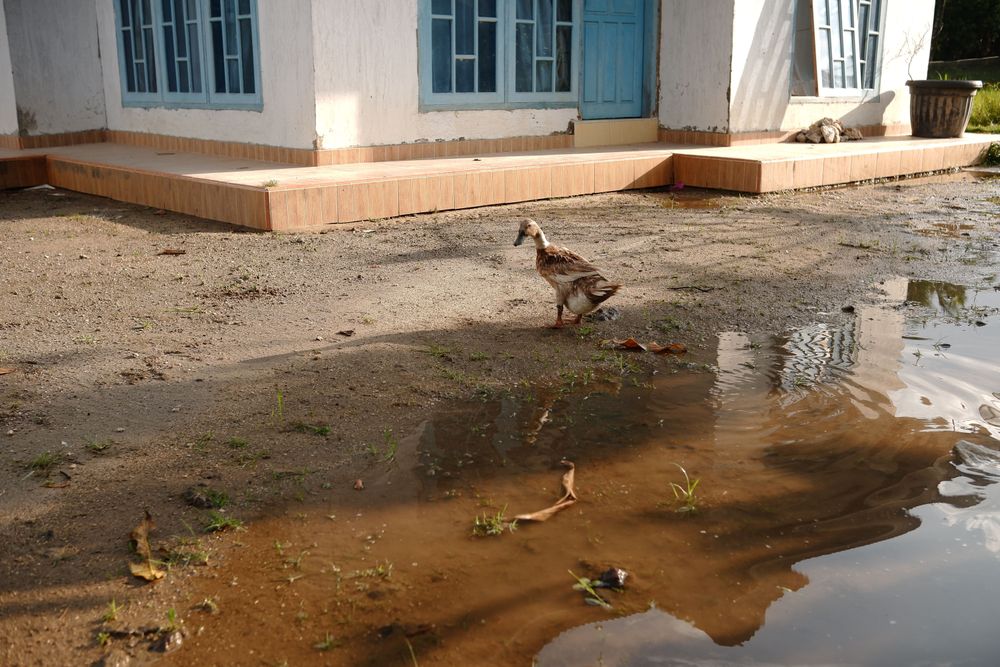
Many homeowners assume drainage is a simple matter of directing rainwater away from the house with a downspout or two. Builders, on the other hand, treat drainage as a system—one that involves grading, barriers, pipes, and careful planning. Without this system, water can pool around the foundation, seep into basements, erode soil, and even compromise the integrity of concrete and masonry over time. Cracks, settling, and moisture issues often trace back to inadequate drainage, not poor construction.
In regions like the Midwest, where soil composition and seasonal weather vary, a one-size-fits-all approach simply doesn’t work. Builders evaluate the slope of the land, the type of soil, and how water behaves during heavy rain or snowmelt. They design systems that account for these variables, ensuring water is guided safely away from the structure.
How Water Affects Concrete and Masonry
Concrete and masonry may seem impervious, but they are porous materials. Water can penetrate them, and when temperatures drop, that water freezes and expands. This cycle—repeated over seasons—causes concrete to crack, spall, and weaken. It’s one reason builders pay such close attention to drainage around foundations, driveways, patios, and walkways.
Proper drainage isn’t just about moving surface water. It also involves managing groundwater and controlling moisture that wicks up from the soil into concrete footings and slabs. Builders often use perforated drain pipes, gravel beds, and vapor barriers to create a dry zone around and under concrete work. This extra layer of protection helps prevent long-term damage and maintains the structural integrity of your home.
Common Drainage Solutions Builders Rely On
There are several ways builders address drainage, and the right choice depends on the site and the project. Here are a few methods commonly used in residential construction:
French Drains
A French drain is a trench filled with gravel and a perforated pipe that collects and redirects groundwater. It’s especially useful in areas with poor soil drainage or where water tends to accumulate near the foundation.
Grading and Swales
Builders shape the land around a home so that it slopes away from the foundation. This simple but effective technique ensures surface water flows away naturally. Swales—shallow, grassy channels—can also be used to guide water across a property without erosion.
Downspout Extensions and Dry Wells
Downspouts should empty several feet away from the foundation. Builders often use extensions or connect them to dry wells—underground chambers that collect rainwater and allow it to seep slowly into the soil away from the structure.
Waterproofing and Drainage Mats
For below-grade areas like basements, builders may install drainage mats along the foundation wall. These mats create an air gap and channel water toward a drain system, keeping walls dry.
What Homeowners Can Do
Even if you’re not building from scratch, it’s never too late to improve drainage around your home. Start by walking the perimeter after a rain. Look for standing water, soggy soil, or signs of erosion near the foundation. Make sure downspouts are clear and direct water at least five feet away from the house.
If you notice recurring dampness in a basement or crawl space, or if you see cracks in concrete surfaces, it may be time to consider more robust solutions. Simple adjustments like regrading soil or adding extensions to downspouts can make a significant difference.
For larger projects—like installing a French drain or addressing foundation water issues—it’s wise to consult with a professional. They can assess your property and recommend a system tailored to your needs.
Trust the Experts at R.P. Lumber
At R.P. Lumber, we understand that a good building project starts from the ground up. Our team can help you select the right materials for drainage projects, from aggregate and pipe to barriers and tools. With locations throughout the Midwest, we’re here to support both DIY homeowners and professional builders with quality products and practical advice.
If you’re planning a construction or remodeling project—or just want to safeguard your home against water damage—stop by your nearest R.P. Lumber. Let’s talk about how proper drainage can protect your investment for years to come.