

















Winter Prep: Insulation Tips for Homeowners
Preparing Your Home for Midwest Winters: Essential Insulation Tips
You want your home to stay warm and comfortable all winter long without seeing your heating bills skyrocket. As temperatures begin to drop across the Midwest, now is the ideal time to focus on insulation improvements that will protect your home and keep energy costs manageable. Proper Midwest winter home insulation is one of the most effective ways to prepare for the cold months ahead.
Start With an Energy Audit
Before you begin any insulation project, it helps to know where your home is losing heat. A simple walk-through can reveal common trouble spots like drafty windows, uninsulated attics, or gaps around doors. On a breezy day, hold your hand near windows and exterior doors to feel for drafts. Check the attic to see if insulation is sufficient and evenly distributed. In many Midwest homes, the attic is one of the biggest sources of heat loss.
Prioritize the Attic
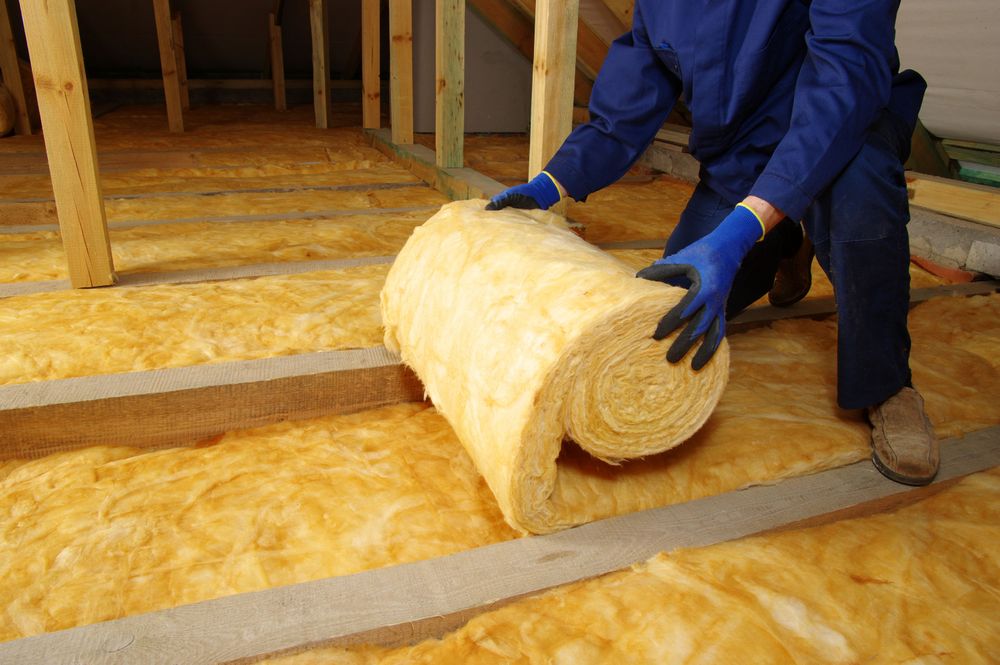
Heat rises, making the attic a critical area for insulation. If your attic insulation is below the level of the floor joists, you likely need more. Adding batt or blown-in insulation can make a significant difference in retaining warmth. Ensure that attic access doors or pull-down stairs are also properly sealed and insulated to prevent warm air from escaping.
Seal Gaps and Cracks
Small gaps around windows, doors, pipes, and electrical outlets can let in cold air and undermine your insulation efforts. Use caulk to seal stationary gaps, such as around window frames and where siding meets the foundation. For moving parts like doors, apply weatherstripping to create a tight seal. Don’t forget to check areas where utilities enter the home, as these are common spots for drafts.
Insulate Your Basement and Crawl Spaces
Uninsulated basements and crawl spaces can make floors above feel cold and increase heating demands. Insulating basement walls or crawl space ceilings helps maintain consistent temperatures and reduces moisture issues. Use insulation designed for below-grade applications, and ensure proper vapor barriers are in place to protect against dampness.
Upgrade Windows and Doors
If your windows are old or single-pane, they may be contributing significantly to heat loss. While replacing windows is a larger investment, adding storm windows or using insulating window film can improve efficiency at a lower cost. Similarly, ensure exterior doors are well-fitted and insulated. If you feel a draft under a door, consider installing a door sweep to block cold air.
Consider Wall Insulation
If your home’s walls are poorly insulated, adding blown-in insulation can greatly improve comfort and efficiency. This is especially valuable in older homes that may have little or no wall insulation. While this project may require professional assistance, the long-term benefits in energy savings and comfort are substantial.
Choose the Right Insulation Materials
Different areas of your home require different types of insulation. Batt insulation works well in attics and between studs in unfinished walls. Blown-in insulation is ideal for filling irregular spaces in attics or walls. Spray foam provides an air-tight seal for gaps and cracks. At R.P. Lumber, our team can help you select the right materials for your specific project and climate needs.
Don’t Overlook Ventilation
Proper ventilation is essential to prevent moisture buildup, which can reduce insulation effectiveness and lead to mold issues. Ensure that attics and crawl spaces have adequate ventilation to allow moisture to escape. Balanced insulation and ventilation work together to keep your home comfortable and durable through the winter.
Take Action Now for a Cozy Winter
Preparing your home for Midwest winters with effective insulation is a practical step toward comfort and savings. Whether you’re adding attic insulation, sealing drafts, or upgrading windows, each improvement contributes to a warmer, more efficient home. Visit your local R.P. Lumber store with your insulation plan, and our experts will help you gather the right materials for your project.