





















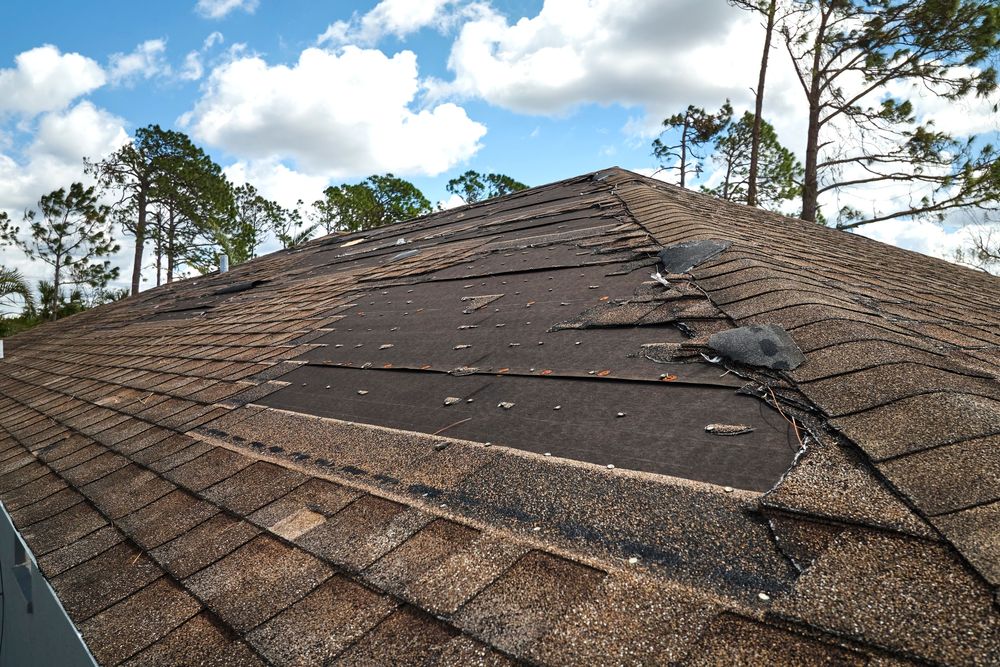
A dark stain on your ceiling or a shingle missing after a storm immediately brings up the pressing question: "How much is this going to cost?" The decision between patching a problem and undertaking a major renovation often boils down to understanding the roof replacement cost vs repair equation. It's rarely a simple fix-it-or-don't question; instead, it's a strategic calculation involving current damage, your roof's age, and long-term value.
Assessing the Damage: When is a Repair Viable?
Not all roof issues demand a complete overhaul. For isolated problems, a targeted repair can be a smart, cost-effective solution that extends your roof's lifespan without breaking the bank.
Spot Repairs: Addressing Missing Shingles and Minor Leaks
If you're dealing with just a few missing or damaged shingles, a repair can be relatively straightforward. For asphalt shingles, the repair process usually involves carefully prying up the tabs of surrounding shingles, removing the damaged shingle by pulling out the roofing nails, and then sliding a new, matching shingle into place. Secure it with new roofing nails, covering the nail heads with a dab of roofing cement for a watertight seal. The key is to source shingles that closely match your existing roof in color and style (e.g., 3-tab or architectural shingles) to maintain curb appeal and prevent uneven weathering.
Minor leaks often stem from compromised flashing around chimneys, vents, or skylights. A deep dive into these areas might reveal deteriorated caulk or loosened metal. Often, cleaning the area, applying new, high-quality roofing sealant, and potentially reinforcing or replacing small sections of flashing can stop the leak. We recommend checking these points after heavy rain or strong winds, and ensure any sealant application is done in mild, dry conditions to allow for proper curing.
The Tipping Point: When Repair Costs Outweigh the Benefit
While spot repairs save money short-term, there comes a point where continued patching becomes a losing battle. Signs your roof is nearing its end include widespread granule loss (meaning the protective surface of the shingle is eroding), significant cracking or curling of shingles across multiple sections, and extensive algae or moss growth. If you’re seeing multiple areas of damage, or if your roof is older than 20 years, even small repairs might be akin to putting a bandage on a much larger wound. In these scenarios, the accumulated cost of repeated repairs can quickly approach or even exceed the long-term investment of a full replacement. This is where understanding the complete roof replacement cost vs repair becomes critical for long-term financial planning.
Understanding the True Cost: Repair vs. Full Replacement
The financial analysis goes beyond just material costs. Consider labor, warranty implications, and the overall longevity you're buying.
The Investment in a Full Roof Replacement
A full roof replacement involves tearing off existing materials, inspecting and potentially repairing the roof decking, installing new ice and water shield in vulnerable areas (like eaves and valleys), laying down synthetic underlayment, and finally, installing new shingles, ridge caps, and adequate ventilation. While the upfront cost is higher, a new roof offers a fresh start with a long-term warranty (often 25-50 years for quality architectural shingles). It also improves your home's energy efficiency, boosts curb appeal, and significantly increases your property value, offering a solid ROI. R.P. Lumber stocks a wide range of roofing materials, from robust architectural shingles to various underlayment options, ensuring you have access to everything needed for a durable, long-lasting roof system.
The Practicalities of Roofing Materials and Weather
Whether you're repairing or replacing, the materials you use are paramount. For repairs, it’s crucial to match the existing shingle type and color as closely as possible. For replacements, consider upgrading to high-performance shingles designed for Midwestern weather, providing better wind resistance and longevity.
Weather plays a significant role in roofing work. Shingles are more pliable and easier to work with in moderate temperatures (typically above 45°F and below 85°F). Extreme cold makes shingles brittle, prone to cracking, while extreme heat can make them too soft and difficult to walk on without damage. Roofing cement and sealants also require specific temperature ranges for optimal adhesion and curing.
Navigating Your Options at R.P. Lumber
Whether you're tackling a DIY shingle repair or planning a full roof replacement, understanding your material options is key. Our knowledgeable team at R.P. Lumber can walk you through the various types of asphalt shingles, including standard 3-tab and more durable architectural styles. We can help you select the right roofing nails, roofing cement, flashing, and underlayment to ensure your project, big or small, is a success. We're here to offer practical advice, helping you weigh the short-term savings of a repair against the long-term benefits and increased home value of a new roof. Making an informed decision about your roof replacement cost vs repair leads to smart homeownership.
Stop by any R.P. Lumber location and speak with our staff about your roofing project — we can help you identify the right materials and quantities for your specific needs, whether it's a few shingles or an entire roof system.