











Comparing Siding Options: Stone Veneer vs. Traditional Vinyl Siding
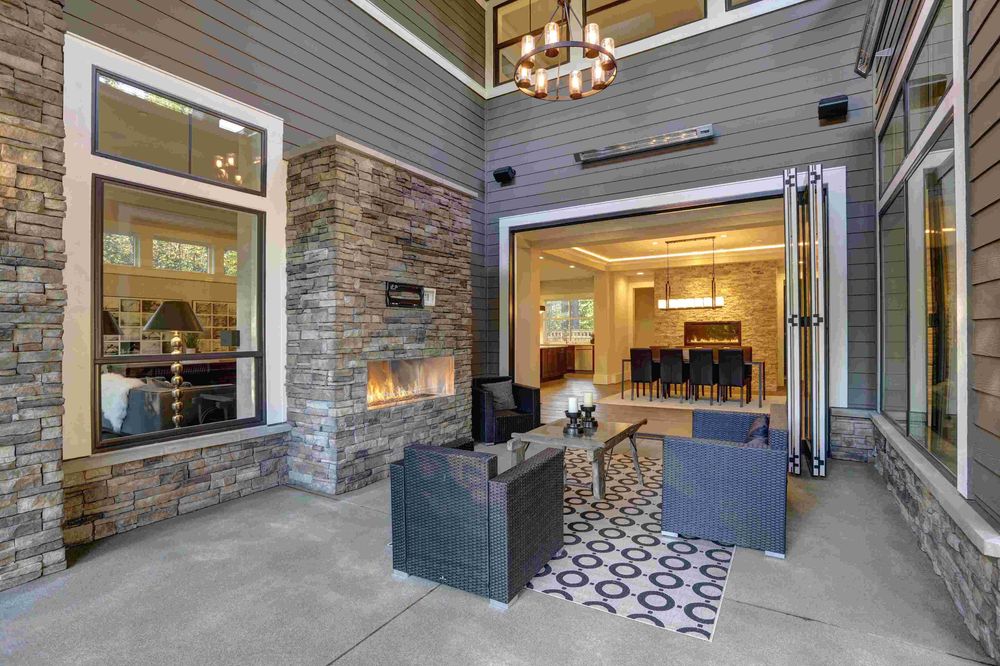
When choosing siding for your home’s exterior, there are numerous choices for a homeowner to consider. Two of the most popular options are stone veneer siding and traditional vinyl siding. Although some homeowners choose to use a mix of these two materials to create a more layered, textured look, each option offers its own set of advantages and disadvantages, and understanding these can help you make an informed decision. In this article, we will compare several pros and cons of stone veneer siding and traditional vinyl siding to help you determine which one is the best fit for your home.
STONE VENEER SIDING PROS
Curb Appeal: Stone veneer siding closely resembles natural stone offering a natural and timeless beauty that can enhance the visual appeal of any home. It provides an upscale, high-end look that many homeowners desire.
Durability: Stone veneer siding is incredibly durable and resistant to harsh weather conditions, such as wind, rain, and UV rays. It can withstand the test of time and maintain its appearance for years to come.
Variety of Styles: Stone veneer siding comes in a wide range of styles, textures, and colors, allowing homeowners to choose the one that best suits their preferences and complements their home's architectural style.
Increased Home Value: The addition of stone veneer siding can significantly increase the value of your home. It is a desirable feature that can attract potential buyers and lead to a higher resale value.
STONE VENEER SIDING CONS
Cost: Stone veneer siding tends to be more expensive than traditional vinyl siding. The materials and installation costs are generally higher, making it a more significant upfront investment.
Installation Complexity: Installing stone veneer siding requires skilled professionals with experience in masonry work. It is a complex process that may require additional time and expertise compared to vinyl siding installation.
Weight: Stone veneer siding is heavier than vinyl siding, which can pose challenges during installation and may require additional structural support for your home's exterior.
Limited Insulation: Stone veneer siding does not provide as much insulation as other siding materials. Additional insulation may be required to improve energy efficiency, which can add to the overall cost.
Maintenance: While stone veneer siding is durable, it still requires periodic maintenance. Cleaning and sealing may be necessary to preserve its appearance and protect it from staining or water damage.
TRADITIONAL VINYL SIDING PROS
Affordability: Vinyl siding is a cost-effective option compared to stone veneer siding. It is generally less expensive in terms of both material and installation costs, making it a budget-friendly choice.
Low Maintenance: Vinyl siding is relatively low maintenance and easy to clean. It does not require painting, sealing, or extensive upkeep. Regular washing with soap and water is usually sufficient to keep it looking fresh.
Wide Range of Colors and Styles: Vinyl siding comes in a vast array of colors, textures, and profiles. This variety allows homeowners to find a style that suits their preferences and matches their home's design.
Insulation Properties: Vinyl siding can provide improved insulation for your home, helping to regulate indoor temperatures and potentially reducing energy costs.
Ease of Installation: Vinyl siding is lightweight and easy to handle, which simplifies the installation process. It can be installed efficiently, saving both time and labor costs.
TRADITIONAL VINYL SIDING CONS
Limited Aesthetic Options: While vinyl siding offers a wide range of colors and styles, it may lack the natural and authentic look of stone veneer siding. Some homeowners may prefer the classic appeal of stone over vinyl.
Vulnerability to Damage: Vinyl siding can be susceptible to damage from extreme weather conditions, such as high winds or impact from flying debris. It may crack, warp, or fade over time.
Potential for Fading: Over an extended period, vinyl siding can fade due to exposure to sunlight. While modern advancements have improved color retention, some fading may still occur.
Environmental Concerns: Vinyl siding is made from PVC, a synthetic material that raises environmental concerns during manufacturing and disposal. It is not biodegradable and may release harmful chemicals when burned.
Lower Resale Value: While vinyl siding offers practical benefits, it may not have the same impact on home value as stone veneer siding. Some homebuyers perceive vinyl siding as a less premium option.
Both stone veneer siding and traditional vinyl siding have their own set of advantages and disadvantages. Consider factors such as cost, durability, maintenance requirements, and the desired look for your home. To make the most informed decision possible, consult with the knowledgeable staff at your local R.P. Lumber to assess your home's suitability for each option. By weighing the pros and cons outlined above, you can make an educated choice that aligns with your priorities and ensures a beautiful and functional exterior for your home.