























Winter Storm Damage: Your Guide to Repairing Fences, Gutters, and Siding
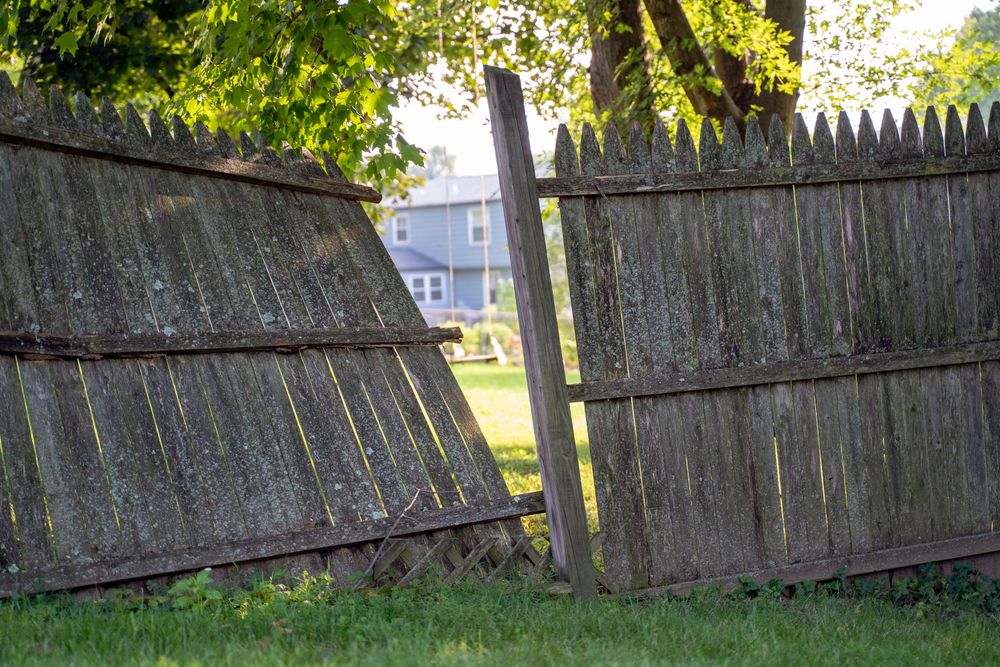
Got a fence leaning like the Leaning Tower of Pisa after a recent windstorm? Or maybe your gutters are overflowing, and you're seeing water damage on your siding? Dealing with winter storm damage repair can feel overwhelming, but with the right knowledge and a bit of elbow grease, you can get your property back in shape. Here's a straightforward guide to help you tackle common storm-related problems.
Assessing the Damage
Before you start any repairs, it's crucial to assess the extent of the damage. This will help you determine the materials and tools you'll need, and give you a realistic idea of the project's scope.
Fences
- Check posts: Are they leaning, broken, or pulled from the ground? Examine the base of each post for rot or decay.
- Inspect rails and pickets: Look for any missing or damaged boards. Check for loose nails or screws.
- Look for signs of stress: Has the fence shifted or warped under the strain of high winds?
Gutters
- Look for clogs: Are the gutters overflowing, especially after light rain? Check for leaves, branches, or other debris.
- Inspect for dents and damage: Has ice or falling branches caused any damage? Are the gutters pulling away from the house?
- Check the downspouts: Make sure water is flowing freely through the downspouts and away from your foundation.
Siding
- Check for missing or damaged siding: Look for cracks, holes, or sections that have been pulled away from the wall.
- Inspect flashing: Ensure the flashing around windows, doors, and chimneys is intact and properly sealed.
- Look for water stains: These can indicate leaks and potential damage to the underlying structure.
Repairing Common Storm Damage
Now that you've assessed the damage, it's time to get to work. Remember to wear appropriate safety gear, including gloves, eye protection, and work boots.
Fence Repair
- Replacing a Post: Dig out the old post and pour a new concrete footing. Use pressure-treated lumber for the new post to resist rot. Make sure the post is plumb (perfectly vertical) and use a level to ensure accuracy. Allow the concrete to cure for at least 24 hours before attaching rails and pickets.
- Repairing Rails and Pickets: Replace any damaged boards. Use exterior-grade screws or nails to attach them. Consider using a post-hole digger for easier digging.
Gutter Repair
- Cleaning Gutters: Remove debris by hand with gloves. A small scoop or a garden trowel can be helpful. A gutter cleaning tool with a hook can also reach into deeper gutters. Rinse with a garden hose to ensure they are clear.
- Repairing Dents and Damage: For minor dents, you may be able to bend the gutter back into shape. For more severe damage, you may need to replace the damaged section. Be sure to select gutters that match your existing system.
- Reattaching Gutters: If the gutters have pulled away from the house, reattach them with appropriate fasteners. Use gutter screws for a secure hold.
Siding Repair
- Replacing Damaged Siding: Remove the damaged siding and replace it with new siding of the same type. Measure carefully and cut the new siding to the correct size. Use the appropriate nails or screws for your siding type.
- Repairing Small Cracks and Holes: Fill small cracks and holes with exterior-grade caulk or patching compound. Sand smooth and repaint to match the existing siding. If you need to replace siding, you may want to consider purchasing pre-painted siding.
Preventative Measures
Once you've completed your winter storm damage repair, consider taking steps to prevent future damage. Trim trees near your house to reduce the risk of falling branches. Clean your gutters regularly, especially before and after the winter season. Ensure your siding is properly sealed and maintained.
Don't wait until the next storm rolls in. At R.P. Lumber, we carry everything you need for winter storm damage repair, from lumber and fasteners to gutters and siding. Stop by any R.P. Lumber location and speak with one of our experienced team members, they can offer suggestions and help you find the right supplies for your project.