























Calculating the ROI of Window Replacement vs. Repair
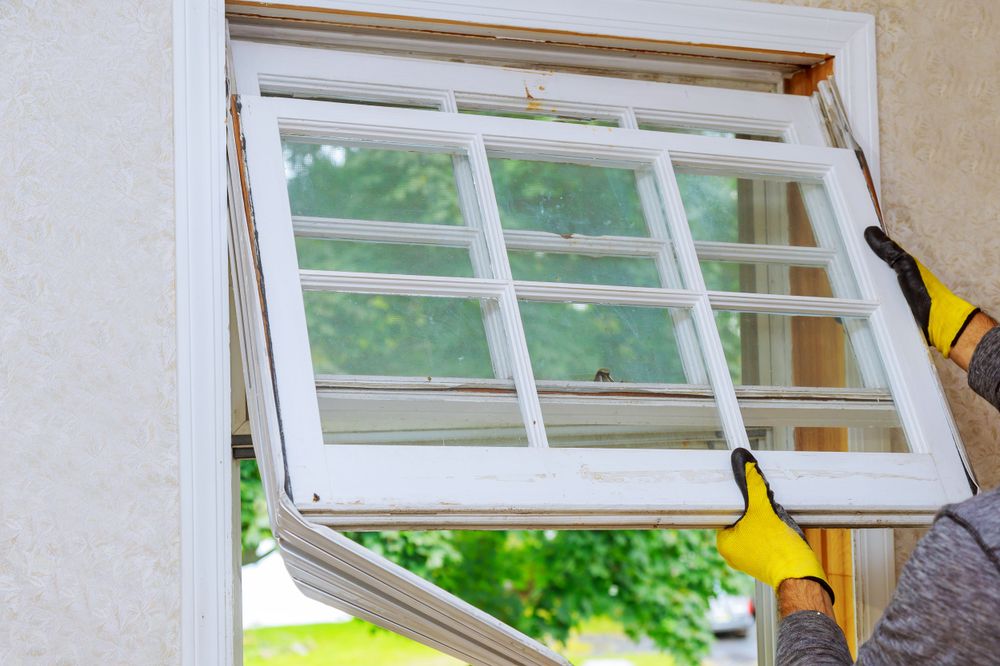
Feeling a draft even when your windows are closed? Watching your utility bills climb despite your best efforts to conserve energy? You're likely facing the age-old homeowner's dilemma: is it time to fix the existing windows or invest in new ones? Understanding the window replacement ROI (return on investment) is critical for making an informed decision, especially when debating repair vs replacement to improve your home's energy efficiency. It's not just about the immediate cost; it’s about long-term value, comfort, and performance.
Diagnosing Your Window Woes: Repair or Replace?
Before you decide, a thorough inspection of your existing windows is essential. Some issues are relatively simple fixes, while others signal it’s time for a complete overhaul.
Common Repairable Issues
- Minor Frame or Sash Rot: If the rot is confined to a small, non-structural section of the wood frame or sash, it can often be treated. After removing the soft wood, the area can be filled with a durable epoxy wood filler designed for exterior use, then sanded and painted. This is a common solution for localized sill or lower sash deterioration.
- Failed Glazing: For older single-pane windows, cracked or missing glazing putty allows drafts and water infiltration. Re-glazing involves carefully removing old putty, cleaning the rabbet, applying new glazing compound, and securing the glass. This is a cost-effective fix for individual panes.
- Worn Weatherstripping: Gaps around the sashes are a primary source of drafts. Replacing old, brittle weatherstripping with new adhesive-backed foam, V-strip, or compression-type weatherstripping can significantly reduce air leakage. This is a relatively inexpensive DIY project that offers immediate comfort improvements.
- Broken Single Panes: If only a single pane of glass is broken in an otherwise sound window, replacing just the glass is often feasible and much cheaper than full replacement. This involves carefully removing the old glass and putty, and installing a new pane with fresh glazing compound.
When Replacement Becomes Necessary
- Extensive Frame or Sash Rot: If rot has compromised large sections of the window frame, especially weight-bearing components, or has spread to the wall framing, a repair might be temporary or structurally unsound. Attempting to rebuild an entire rotten frame can be more expensive and time-consuming than replacement.
- Failed Insulated Glass Units (IGUs): Modern double or triple-pane windows rely on a sealed unit with inert gas (like argon) between the panes. If you see condensation or fogging between the glass panes, the seal has failed. This compromises the window's insulating properties (its U-factor) significantly. While some companies can replace just the IGU, often the cost approaches that of a full window replacement, especially if the frame is also aging.
- Outdated Single-Pane Windows: Windows made before the widespread adoption of insulated glass simply cannot compete in terms of thermal performance. Even with perfect weatherstripping, their high U-factor leads to massive heat transfer. Upgrading from single-pane to modern double-pane units with Low-E coatings and gas fills offers dramatic improvements in home energy efficiency.
- High Ongoing Maintenance: If your windows require constant scraping, painting, and adjustments, the cumulative cost and effort often outweigh the benefit of keeping them.
Calculating Your Window Replacement ROI: More Than Just Upfront Cost
The upfront cost of new windows can be substantial, but thinking long-term reveals their true value.
Energy Savings: The Long-Term Payoff
Modern windows are engineered for superior home energy efficiency. Features like Low-E coatings reflect radiant heat, argon gas fills between panes reduce thermal conductivity, and advanced frame materials (like vinyl or fiberglass) minimize heat transfer. This can lead to significant reductions in your heating and cooling bills—often 10-25% or more, depending on your climate and existing windows. This consistent monthly savings directly contributes to your window replacement ROI. Over a typical 10-20 year lifespan, these savings can offset a considerable portion of the initial investment. When you factor in the rising cost of utilities, these savings become even more impactful.
Other Value Factors: Comfort, Curb Appeal, and Maintenance
Beyond energy savings, new windows offer tangible benefits that contribute to your home's overall value:
- Improved Comfort: Eliminating drafts and cold spots makes your living spaces more consistent in temperature, enhancing comfort year-round. New windows also often reduce outside noise.
- Increased Home Value: Updated windows are a highly attractive feature for prospective buyers, directly boosting your home's market value. The aesthetic improvement alone can significantly enhance curb appeal.
- Reduced Maintenance Burden: High-quality replacement windows, especially those with durable vinyl or fiberglass frames, require minimal maintenance compared to older wood windows that need frequent painting and sealing.
Making the Smart Choice for Your Home
The decision to repair or replace windows comes down to balancing the immediate costs against the long-term window replacement ROI and improved home energy efficiency. For minor, localized issues, a repair is often the sensible choice. However, for widespread problems, aging single-pane units, or failed insulated glass, investing in new, energy-efficient windows provides a greater return through sustained energy savings, enhanced comfort, increased home value, and reduced maintenance.
Visit any R.P. Lumber location and talk to our knowledgeable staff about your window options. Bring photos or measurements, and we can help you explore the best window solutions for your home and budget.