



















Cabinet Refacing vs. Full Replacement
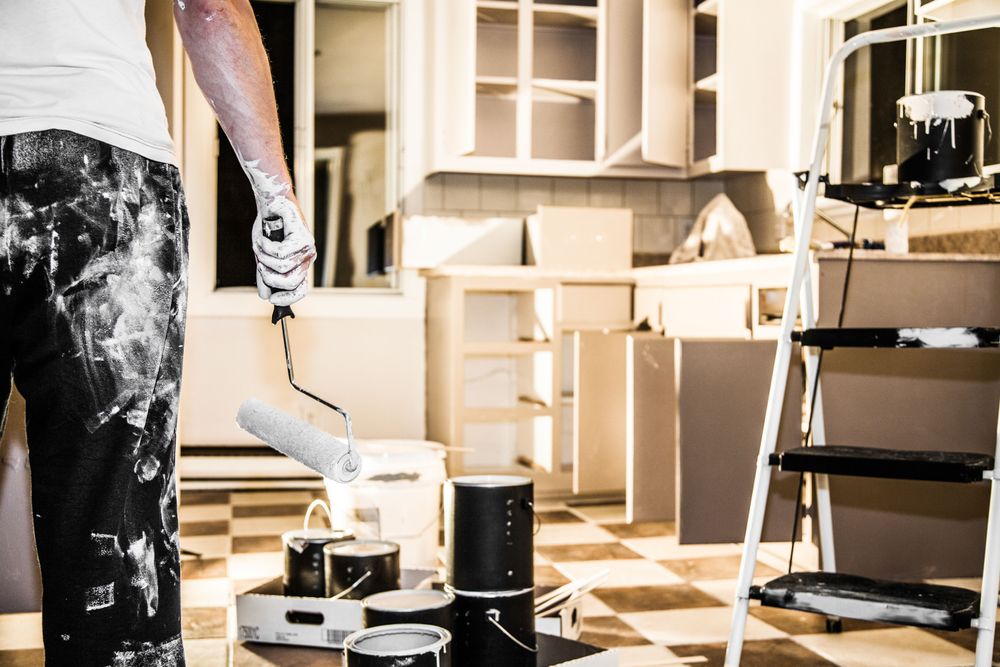
Is your kitchen feeling tired and dated, but the thought of a complete renovation budget makes you pause? You're not alone. Many homeowners face the dilemma of updating their kitchen cabinets without breaking the bank. The big question often boils down to: what's the smartest investment – cabinet refacing vs. full replacement? Understanding the kitchen cabinet refacing cost and the potential cabinet replacement ROI is key to making an informed decision that elevates your home's value and functionality.
Understanding Cabinet Refacing: A Cost-Effective Refresh
Cabinet refacing involves keeping your existing cabinet boxes and replacing or covering the visible exterior surfaces. This typically means new cabinet doors, drawer fronts, and applying a veneer (either wood or laminate) to the exposed cabinet frames. It's often seen as a significant aesthetic upgrade without the demolition and structural changes of a full replacement.
The Material Costs of Refacing
While you save on tearing out existing boxes, material costs for refacing can vary widely.
- Veneers: Pressure-sensitive wood veneers come in various species (like oak, maple, cherry) and can be stained or painted. Laminate veneers (often thermosetting or high-pressure laminate, HPL) are durable and come in many colors and finishes. The quality and type directly impact the overall kitchen renovation budget.
- New Doors & Drawer Fronts: This is where much of the visual impact comes from. You can opt for solid wood doors, MDF (medium-density fiberboard) doors for a smooth painted finish, or RTF (rigid thermofoil) doors for a durable, uniform look.
- Hardware: Don't forget new hinges (especially if upgrading to soft-close hinges) and pulls. These smaller items add up but contribute significantly to the finished feel.
Labor & Timeline for Refacing
Labor for refacing is generally less extensive than a full replacement. A skilled contractor can often complete a refacing project in a week or less, depending on kitchen size and complexity. For a DIYer, it's a meticulous process requiring patience for veneer application and precise door/drawer front installation. This quicker timeline minimizes disruption to your daily life, a major advantage when considering cabinet upgrade options.
Full Cabinet Replacement: A Comprehensive Transformation
Full cabinet replacement means tearing out all existing cabinets down to the studs and installing entirely new units. This option allows for a complete redesign of your kitchen layout, expansion of storage, and integration of modern features. It's a more involved project, but offers maximum flexibility.
Material Considerations for New Cabinets
With full replacement, your material choices span the entire cabinet unit:
- Cabinet Boxes: Most commonly, boxes are made from plywood (typically 1/2-inch or 3/4-inch) or furniture-grade particleboard/MDF. Plywood offers superior strength and moisture resistance, making it a common choice for high-quality cabinets. R.P. Lumber stocks a wide range of plywood sheets suitable for custom cabinet builds, from hardwood plywood to durable pre-finished birch.
- Doors & Drawer Fronts: Similar to refacing, you have options from solid wood to various composites.
- Hardware: New hinges, drawer slides (full-extension slides with soft-close mechanisms are popular upgrades), and pulls are essential.
- Fillers, Toe Kicks, Crown Molding: These finishing touches are essential for a polished look and require additional trim lumber.
Labor & Timeline for Replacement
Full replacement is a significant undertaking. It involves demolition, potential plumbing or electrical modifications, cabinet installation, and often new countertop installation. This translates to a longer project timeline, typically several weeks, and higher labor costs due to the scope of work. For the DIYer, building cabinets from scratch requires significant woodworking skill and specialized tools, though many opt for pre-assembled or ready-to-assemble (RTA) units.
Comparing the ROI: Kitchen Cabinet Refacing Cost vs. Cabinet Replacement
When weighing the kitchen cabinet refacing cost against the investment of full replacement, consider more than just the upfront price tag. Your potential return on investment (cabinet replacement ROI) is influenced by several factors.
Cost Comparison Breakdown
Generally, refacing costs about 50-70% of a full replacement, depending on the materials chosen.
- Entry-Level Refacing: Expect to pay roughly $4,000 - $8,000 for an average-sized kitchen.
- Mid-Range Refacing: $8,000 - $15,000 for higher-quality veneers, solid wood doors, and upgraded hardware.
- Entry-Level Full Replacement: $10,000 - $20,000 for stock cabinets, laminate countertops, and basic hardware.
- Mid-Range Full Replacement: $20,000 - $40,000 for semi-custom cabinets, solid surface or quartz countertops, and premium hardware.
These are estimates; actual costs will vary based on kitchen size, material choices, and local labor rates. Understanding these potential ranges helps define your home value impact.
Evaluating Return on Investment (ROI)
Both refacing and replacement can offer a good ROI, typically recouping 50-70% of the project cost in increased home value.
- Refacing: Best for kitchens with solid, well-built existing cabinet boxes and a functional layout. It provides a significant aesthetic improvement for a lower upfront cost, often leading to a higher percentage ROI because the initial investment is less.
- Replacement: The better choice if your cabinet boxes are deteriorating, your layout is inefficient, or you need structural changes. While the initial investment is higher, a completely updated kitchen with a modern layout can command a higher sale price, especially in a competitive market. Consider the overall project timelines and how long you plan to stay in your home. A full replacement offers the most dramatic impact on both aesthetics and functionality, which buyers often value.
When to Choose Which Option
- Choose Refacing if: Your existing cabinet boxes are sturdy and in good condition, you're happy with your current kitchen layout, and your budget is tighter.
- Choose Replacement if: Your cabinet boxes are damaged or outdated, you want to change the kitchen layout, you need more storage or built-in features, or you're aiming for a complete design overhaul.
Deciding between cabinet refacing and full replacement hinges on your budget, desired outcome, and the condition of your existing kitchen. Both are valid paths to a kitchen revival, each with distinct kitchen cabinet refacing cost and cabinet replacement ROI implications. Whether you're refreshing with new doors or embarking on a complete transformation, selecting the right materials is paramount. For durable plywood, quality trim lumber, and expert advice on your next kitchen project, talk to the pros at your local R.P. Lumber.