




















Deck Strength: Joist Hangers & Connectors
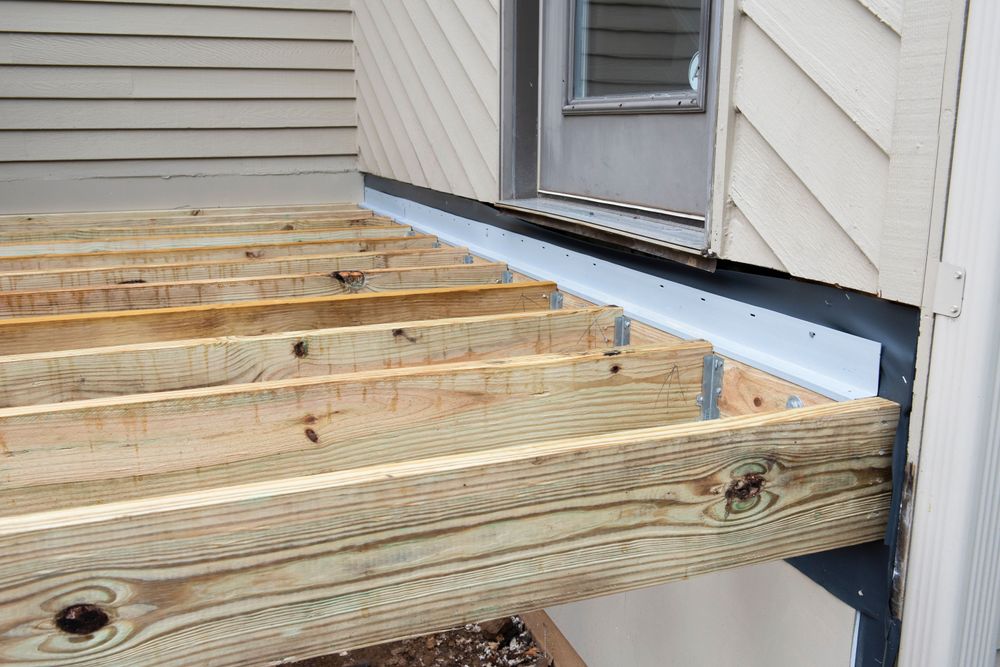
Building a deck isn't just about choosing attractive decking; it's about constructing a safe, durable outdoor living space designed to withstand decades of use and the elements. The backbone of this durability lies in the structural integrity of its framing, specifically how its members are joined. Ignoring the critical role of deck joist hangers and other structural connectors can compromise safety and drastically shorten your deck's lifespan. Let's delve into the specific hardware that engineers your deck for maximum load capacity and longevity.
The Core Function of Deck Joist Hangers
Joist hangers are non-negotiable components that provide critical support where joists meet beams or ledger boards. They are engineered to transfer the vertical load from the joist to the supporting member, preventing the joist from twisting, pulling away, or failing under stress. Without proper hangers, a simple toe-nailed connection is prone to withdrawal and rotation, especially with the cyclic loading a deck experiences.
Selecting the Right Hanger for Your Application
Choosing the correct hanger involves several factors:
- Joist Size and Type: Hangers are designed for specific lumber dimensions. For a 2x8 pressure-treated joist, you'd look for an LUS28 or similar series hanger. Double joists (e.g., at an opening) require wider hangers like LU28-2. Always match the hanger to the exact joist dimension.
- Material Compatibility & Corrosion Resistance: For decks, especially with pressure-treated lumber, corrosion resistance is paramount.
- Hot-dip galvanized (HDG) connectors are the industry standard for most outdoor applications. They offer excellent protection against corrosion when used with ACQ or similar treated lumber.
- For harsher environments (coastal areas, specific chemical treatments), stainless steel connectors (Type 304 or 316) offer superior protection and are a wise, albeit costlier, investment. Never use plain galvanized or electro-galvanized hardware with treated lumber; it will corrode rapidly.
- Connection Type:
- Face-mount hangers (e.g., LUS/LU series) are the most common, attaching directly to the face of a ledger or beam.
- Top-mount hangers (e.g., HU series) wrap over the top of the beam, providing greater lateral restraint but can be more labor-intensive to install.
- Skewed hangers are available for angled joist connections.
Beyond Joist Hangers: Essential Structural Connectors
While joist hangers handle most of the vertical joist-to-beam connections, other structural connectors are vital for a truly robust deck structure.
Critical Beam and Post Connections
- Post Bases: These elevate wooden posts off concrete footings, protecting them from moisture and rot. Products like the ABW or APB series offer adjustability and stand-off.
- Post Caps/Ties: When a beam sits atop a post, post caps (e.g., AC4, BC series) connect them securely, preventing lateral movement and uplift. For beam connections where multiple beams meet a post, specialized connectors might be required to ensure proper load transfer.
- Deck-to-House Ledger Board Attachment: This is a common point of failure. The ledger board must be securely fastened to the house band joist, typically with ½-inch hot-dip galvanized lag screws or thru-bolts spaced according to code (often 16-24 inches on center, staggered). Waterproofing the connection with flashing is also crucial.
Proper Fastener Selection and Installation Techniques
Using the correct fasteners with your hangers and connectors is as important as the connector itself.
- Nails: For most standard joist hangers, 10d (1½-inch long) or 16d (3-inch long) hot-dip galvanized common nails are specified. Always use the manufacturer-recommended nail and ensure every nail hole in the connector is filled. Partially nailing a hanger dramatically reduces its strength.
- Screws: Specialized structural screws like Simpson Strong-Tie SD Connector screws or similar are designed for use with specific connectors and offer excellent withdrawal resistance. Never substitute generic deck screws for structural fasteners, as they lack the shear strength and head design for engineered connections.
- Installation: Ensure hangers are flush against the supporting member and joist. Do not bend tabs or modify connectors unless explicitly designed for it. For ledger board connections, ensure proper spacing and alignment to prevent stress concentrations.
Maximizing Deck Longevity Through Correct Engineering
The long-term performance of your deck hinges on these foundational connections. Proper selection and installation of deck joist hangers and other structural connectors ensure your deck can safely handle its intended live and dead loads, resist environmental forces like wind uplift, and remain stable for decades. Always consult local building codes, as specific requirements for fastener size, spacing, and connector types can vary.
When you're planning your next deck project, remember that the smallest details make the biggest difference in structural integrity. Stop by any R.P. Lumber location and ask about our selection of deck joist hangers and structural connectors — our knowledgeable staff can help you find the right hardware for your specific project needs and ensure your deck is built to last.